Small and intimate weddings have become one of the most sought-after ways to get married in the UK — and it is easy to see why. Rather than a large, formal occasion with hundreds of guests, a smaller wedding puts the focus firmly on what matters most: you, your partner and the people closest to you.
Whether you are planning an intimate ceremony by choice, working to a tighter budget or simply want a day that feels more personal and relaxed, a small wedding can be every bit as special as a large one. In many ways, it can be even more so. Here is everything you need to know to plan a beautiful small and intimate wedding in the UK.
Why choose a small and intimate wedding?
Before diving into the planning, it is worth recognising why so many UK couples are actively choosing to keep their wedding small — not as a compromise, but as a deliberate decision.
A smaller guest list means more time with the people who are actually there. You will not spend the whole day rushing between tables or having quick conversations with distant relatives you barely know. Instead, you get to be genuinely present with your nearest and dearest. The atmosphere at intimate weddings tends to be warmer, more relaxed and more personal as a result.
Cost is another significant factor. A smaller wedding almost always costs less overall, and the budget you save on catering, seating and venue space can be redirected towards the things that really matter — a stunning photographer, an incredible honeymoon or simply starting married life with more financial breathing room.
1. Build your guest list first
The guest list is the foundation of an intimate wedding. Before you book a venue or set a budget, decide how many people you genuinely want there. For most couples, an intimate wedding sits somewhere between 10 and 50 guests, though there is no fixed rule.
Start by writing down the people you cannot imagine your wedding day without. These are your non-negotiables. Then work outwards from there, being honest with yourselves about who else truly needs to be present versus who you feel obligated to invite.
It is worth having a frank conversation about plus ones early on too. Allowing every guest a plus one can quickly double your numbers, so think carefully about whether this works for the kind of day you want. Most people understand and appreciate the intimacy of a smaller wedding, and very few guests take genuine offence at being invited without a partner they have only been seeing for a few months.
2. Choose the right venue
One of the biggest advantages of a small wedding is the range of venues available to you. When you only need to seat 30 or 40 people, a whole world of beautiful, unusual and characterful spaces opens up that would simply not be practical for a larger guest list.
Consider small country house hotels, private dining rooms, boutique wedding barns, woodland clearings, restaurant buyouts or even a beautifully decorated back garden. Many of these venues have a warmth and personality that larger wedding venues can lack, and they often come at a significantly lower cost per head.
When speaking to venues, ask about their minimum numbers as well as their maximum. Some larger venues will happily accommodate a smaller wedding but may require a minimum spend that makes it less cost-effective. It is worth being upfront about your guest count from the start so you can quickly identify venues that are genuinely suited to what you are planning.
3. Set a realistic budget
A smaller wedding does not automatically mean a cheap one, but it does give you far more control over where your money goes. With fewer guests to feed and seat, the per-head costs that dominate large wedding budgets — catering, favours, stationery, seating — become much more manageable.
Think carefully about where you want to invest and where you are happy to keep things simple. Most couples find that the elements guests remember most are the food, the music, the atmosphere and the photography. These are worth spending well on. Other things — elaborate centrepieces, printed menus, individual favours — often go unnoticed and are easy places to save.
With a smaller wedding, it is also more feasible to involve friends and family in certain elements if they have relevant skills. A friend who bakes could make your cake, a relative with a good camera could cover the ceremony, or a family member with a large garden could offer their space for the reception. These personal touches often make the day feel even more meaningful.
4. Make it personal
This is where an intimate wedding really comes into its own. When you are not trying to cater to hundreds of different tastes and expectations, you have the freedom to make every part of the day feel genuinely personal to you as a couple.
Think about what makes your relationship distinct and look for ways to weave that into the day. A signature cocktail based on your favourite drink, a playlist of songs that mean something to you both, a cake flavour you actually love rather than one you think you should have, centrepieces that reference a shared interest or a favourite place — these details are far easier to pull off at a small wedding and they make the day feel completely your own.
Personalised vows are another element that works particularly well at intimate weddings. When you are surrounded by only the people closest to you, speaking from the heart feels natural rather than daunting.
5. Think about the flow of the day
One of the underrated benefits of a smaller wedding is how much easier it is to manage the flow of the day. With fewer guests to seat, feed and coordinate, you have much more flexibility to create a timeline that actually works for you rather than one dictated by catering logistics.
Many couples with small weddings choose to move between locations during the day — a ceremony at a local church or register office, followed by a reception at a favourite restaurant or private venue. Others keep everything in one place but create different spaces and atmospheres as the day progresses, from a formal ceremony to a relaxed dinner to a lively evening celebration.
Think about what kind of day you genuinely want from start to finish. Do you want it to feel relaxed and unhurried? Build in extra time between elements and resist the urge to over-programme the day. The best intimate weddings tend to have a natural rhythm that lets guests enjoy themselves without feeling rushed from one thing to the next.
6. Use technology thoughtfully
If there are people who cannot be there in person — whether due to distance, health or other commitments — live streaming your ceremony is a lovely way to include them without compromising the intimacy of the day for those who are present.
Many venues and videographers can set this up straightforwardly, and it means that family members or close friends who genuinely cannot make it can still feel part of the moment. Just make sure to let your guests know in advance and give them a clear link to join.
You might also consider creating a private online gallery or sharing platform where guests can upload their own photos after the day. At a small wedding, guests often capture candid moments that a photographer might miss, and having a shared space to collect these makes a lovely keepsake.
7. Plan for the guest experience
At an intimate wedding, every guest matters in a way that can feel different from a large event. There are no corners of the room where people feel forgotten, and no guests who go the whole day without a proper conversation with the couple. This is one of the things people love most about smaller weddings.
Think about how you can make each person feel genuinely welcomed. Thoughtful seating that puts people with those they will enjoy talking to, a warm welcome drink on arrival, a well-considered menu that reflects actual tastes rather than safe crowd-pleasers, and enough time in the schedule for the couple to spend real time with their guests — these things matter far more than lavish extras.
One more thing: your wedding gift list
A smaller wedding often means that the gifts you do receive feel more considered and personal. It is worth putting together a gift list that reflects where you actually are as a couple — whether that is setting up a home together, adding to it or saving for something bigger like a honeymoon.
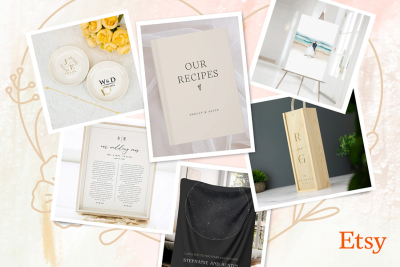
With Marriage Gift List you can add gifts from any shop in the UK — John Lewis, Etsy, Amazon or anywhere else — all in one free list. You can also add a honeymoon fund or cash contribution option for guests who would rather give money. It takes minutes to set up and gives your guests a really simple way to choose something you will actually love. Start your free wedding gift list here.